Chibi and Kawaii Prompts for AI Art | Proportions, Expressions, and Pastel Palettes
Chibi is one of the most technically specific anime sub-styles for AI generation. The entire aesthetic is built on deliberate distortion of proportion, heads scaled to match or exceed the body, limbs shortened into rounded stubs, and facial features simplified to prioritize the eyes and expression. Writing "cute character" into an AI prompt produces generic anime with a soft color palette. Writing a chibi prompt that actually works requires controlling the exact head-to-body ratio, the eye scale relative to the face, and the level of anatomical simplification applied to hands, feet, and limbs.
Most chibi AI tools offer preset filters with no control over these decisions. The prompts on this page take a different approach, each one specifies proportion ratio, expression intensity, color direction, and output format. Every prompt has been tested in Kalon Studio with sample outputs evaluated for three criteria: do the proportions read as genuine chibi rather than slightly small anime, are the expressions exaggerated enough to carry the emotional tone, and does the composition work at the intended output size, whether that's a 128px emote or a print-resolution sticker sheet.
Below you'll find the full prompt library, a tag-by-tag anatomy section, and a negative prompt designed for chibi's specific rendering failures.
Prompt Text
This prompt generates a clean chibi character with controlled proportions, expressive features, and a sticker-ready composition. Adjust the head-to-body ratio, outfit, and expression to fit your character concept.
best quality, masterpiece, chibi character, super deformed proportions, head-to-body ratio 1:1.5, oversized round head, large expressive eyes with sparkle highlights taking up half the face, tiny dot nose, small curved smile, stubby rounded limbs, simplified hands with mitten-like fingers, full body standing pose, cute pastel outfit, soft pastel color palette, clean flat background in light pink, clean bold linework, cel-shaded with minimal shadow, kawaii aesthetic, sticker-ready composition, high resolution
What Controls the Chibi Look in AI Prompts?
Chibi is not "small anime." It's a specific proportion system with its own rules for constructing faces, bodies, and expressions. Standard anime proportions use a 1:6 or 1:7 head-to-body ratio. Chibi compresses that to 1:1 through 1:3, and every other visual decision, eye size, limb shape, detail level, follows from that compression. Getting AI to produce authentic chibi rather than shrunken anime requires tags that explicitly address each of these decisions.
Sample Outputs
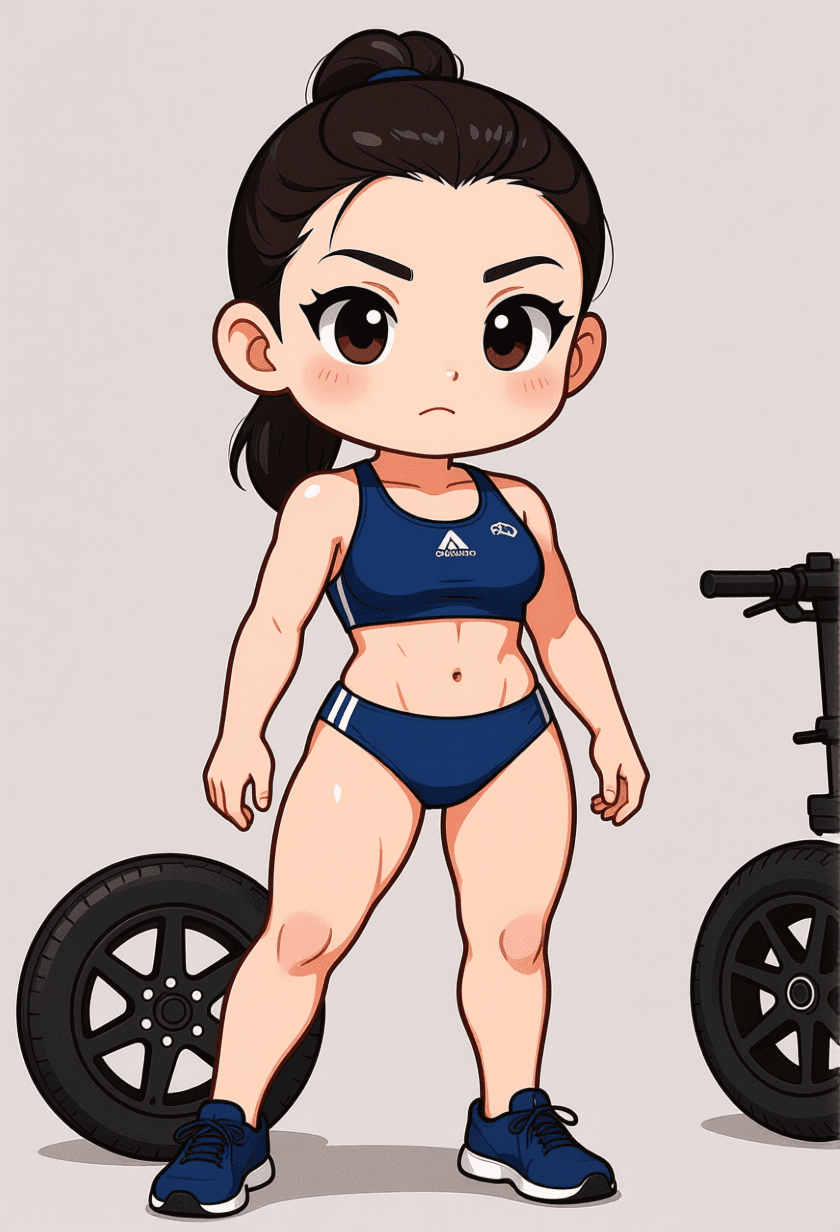
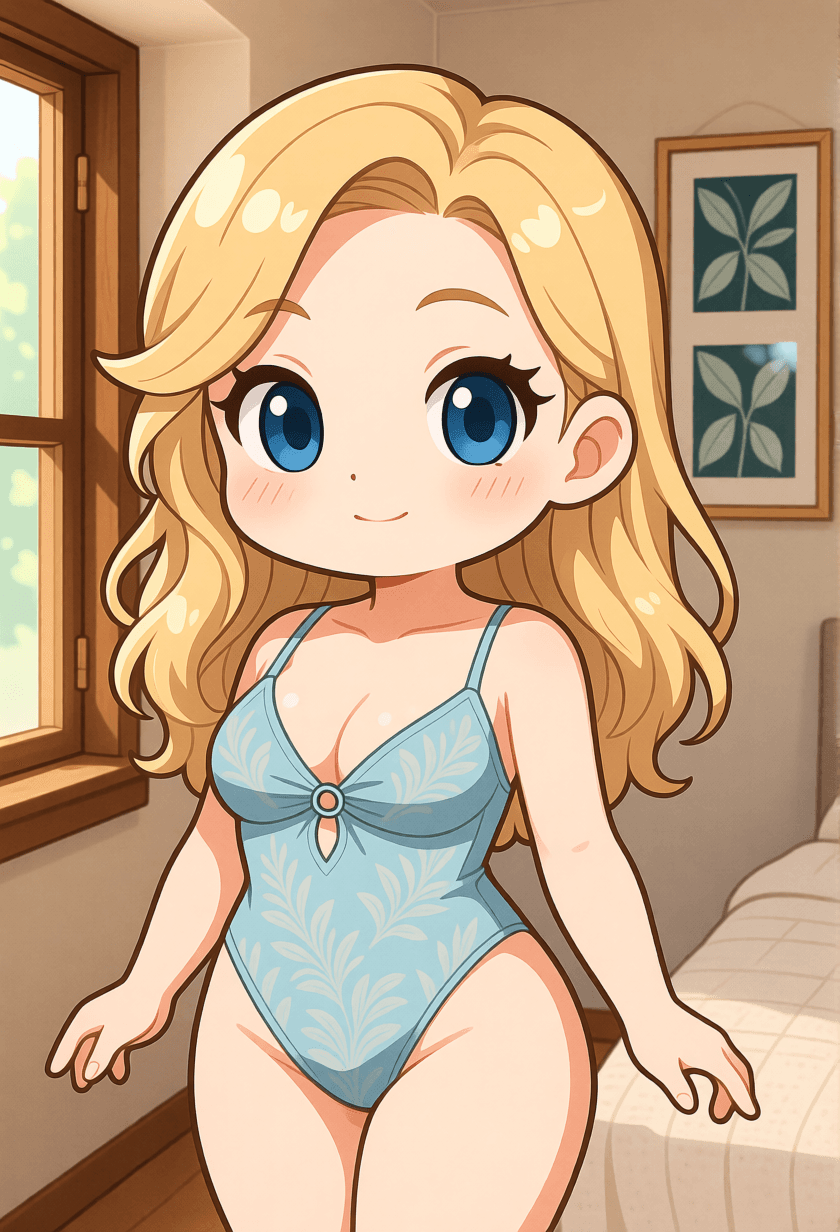
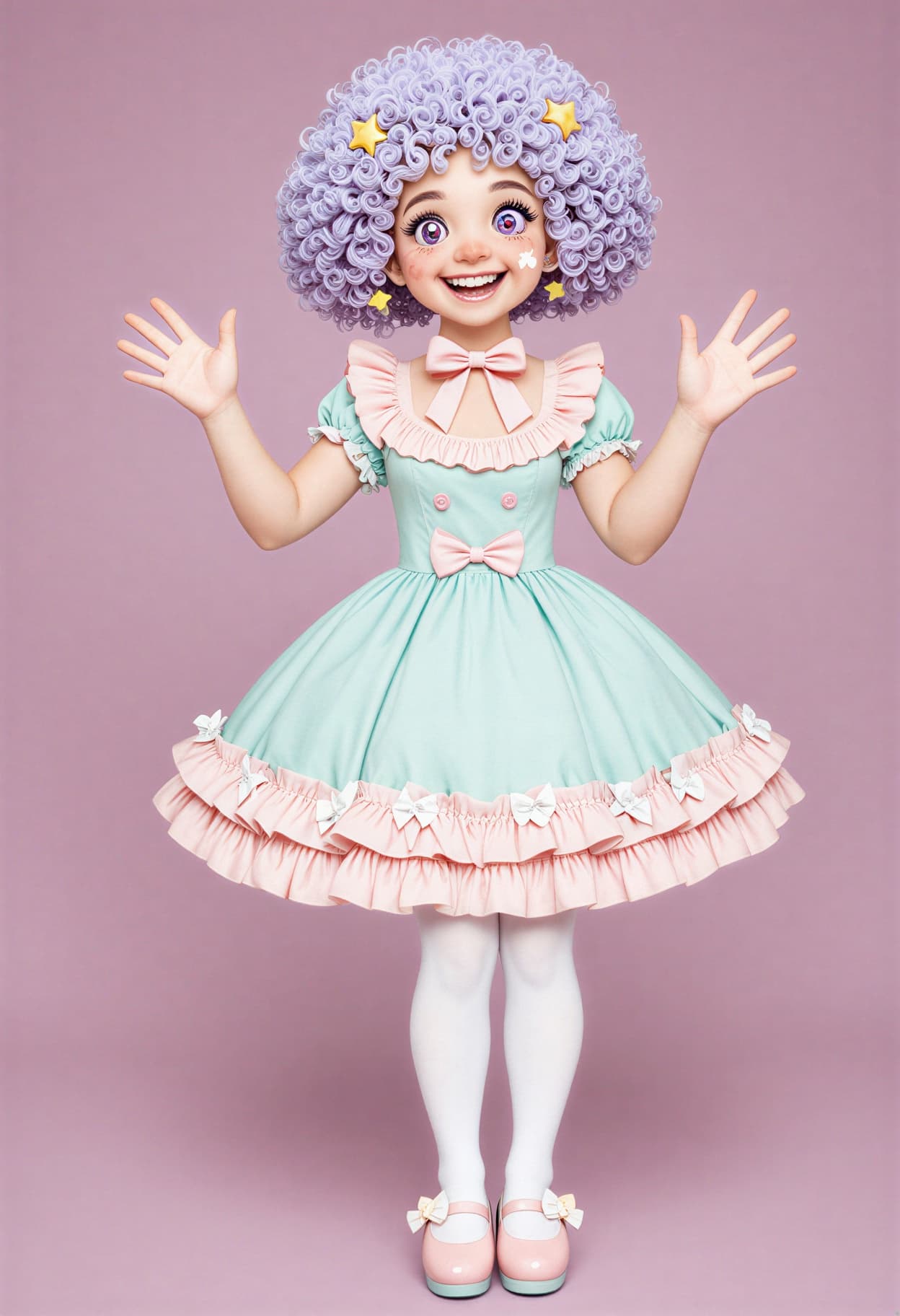
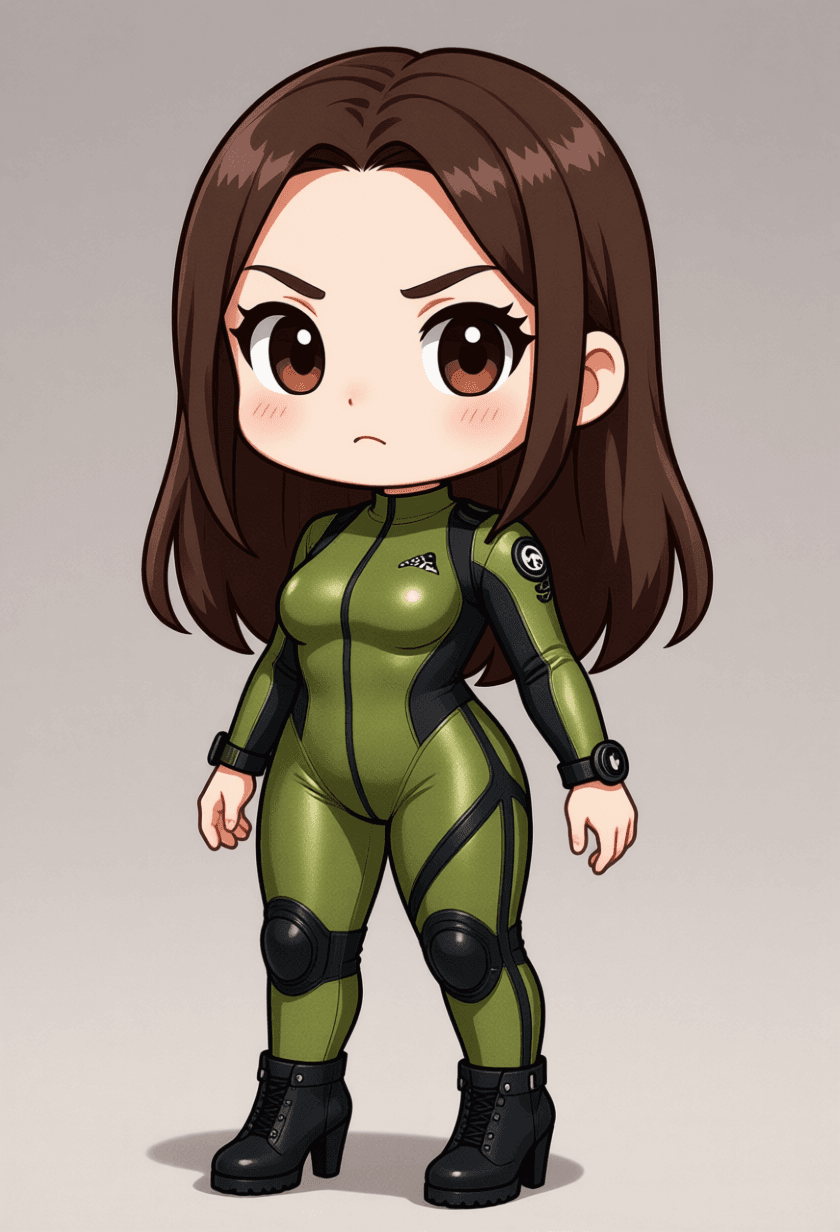
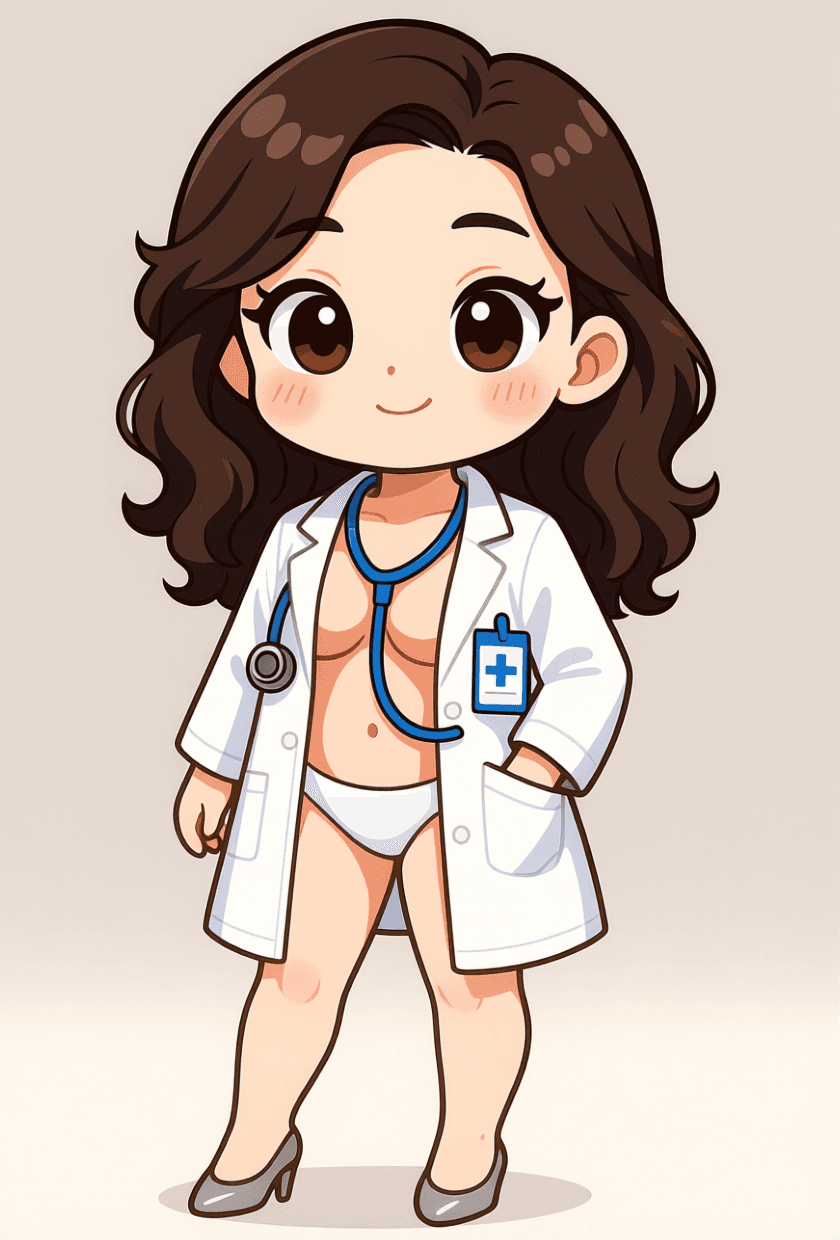
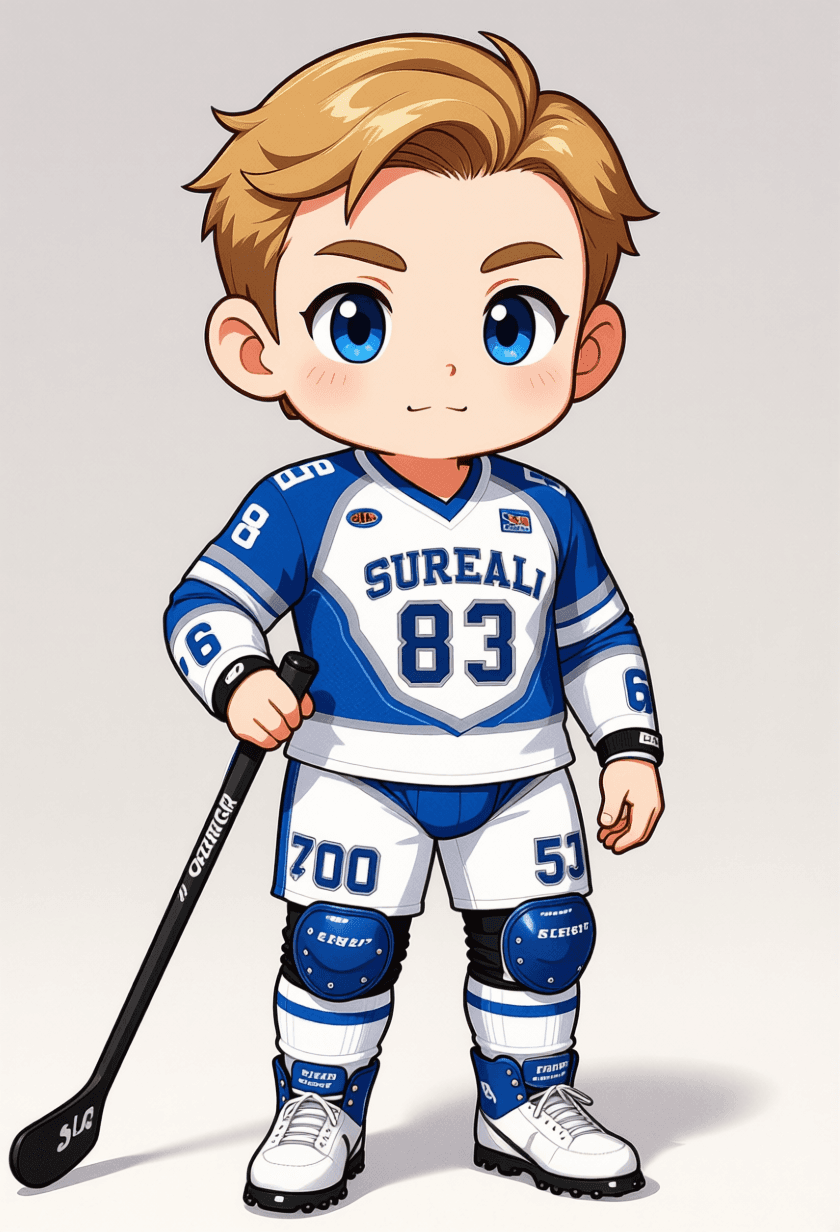
All images generated on Kalon Studio using prompts from this page. No external post-processing, background removal, or style filters applied.
What You Can Create?
Chibi art is format-specific by nature; the same character may need different proportions, compositions, and levels of detail depending on whether it's an emote, a sticker, an avatar, or a print. These are the most common applications.
Stickers and Die-Cut Art
Chibi characters are designed as self-contained elements with clean edges for digital sticker packs or physical die-cut prints. Use 1:1 for square sticker sheets and any custom shape for individual die-cuts. The base prompt's sticker-ready composition tag produces clean, extractable results. Keep backgrounds solid or transparent-ready.
Emotes and Reaction Images
Chibi expressions sized for chat platforms like Twitch and Discord. Use 1:1 at a target resolution of 128px–512px. Emotes need maximum expression at minimum size, use the most extreme proportion ratio (1:1), and emphasize eye and mouth tags for readability at small display sizes.
Avatars and Profile Pictures
Chibi portraits for social media, gaming profiles, and messaging apps. Use 1:1 for profile images. The Classic Kawaii and Magical Girl variations produce clean, identifiable results at thumbnail scale. Head-and-upper-body framing works better than full-body for avatar use.
Mascots and Brand Characters
Chibi characters are designed as brand mascots, product illustrations, or channel identities. Use 3:4 for character sheets and 1:1 for icon applications. Consistency matters — reuse the same proportion ratio, color palette, and outfit tags across all variations of the character.
Prompt Variations
Five chibi character concepts, each built around a different aesthetic direction and use case. Copy any prompt directly, or recombine proportion, color, and expression tags across variations.
Classic Kawaii Character
The standard chibi template. Clean, cute, and widely versatile.
best quality, masterpiece, kawaii chibi girl, super deformed 1:2 ratio, oversized round head, large sparkling eyes with star-shaped highlights, button nose, happy open-mouth smile showing small teeth, pink blush marks on cheeks, short fluffy hair with ribbon accessory, frilly pastel dress with bow details, white stockings and mary jane shoes, standing with one hand waving, soft lavender and cream color palette, clean linework, flat color fills, white background, sticker composition, high resolution
Chibi Warrior
Cute proportions applied to an action-oriented character design.
best quality, masterpiece, chibi warrior character, super deformed 1:2 ratio, oversized head with determined scowl expression, large fierce eyes with sharp highlights, tiny body in detailed miniature armor, short sword held in simplified hand, dynamic action pose with one foot forward, cape flowing behind, bold color palette with red gold and steel gray, clean thick linework, cel-shaded with dramatic shadow under chin, fantasy chibi aesthetic, full body, high resolution
Animal Companion
Chibi applied to a pet or creature design.
best quality, masterpiece, chibi animal character, kawaii cat with oversized head and tiny round body, enormous round eyes with triple sparkle highlights, tiny pink nose and whisker dots, stubby paws with no individual toes, fluffy simplified tail curled upward, sitting pose with slight head tilt, soft peach and white fur coloring, pastel mint background with floating star accents, clean rounded linework, minimal shadow, maximum cuteness, sticker-ready, high resolution
Magical Girl Chibi
Ornate costume detail within exaggerated proportions.
best quality, masterpiece, magical girl chibi, super deformed 1:1.5 ratio, oversized head with twintail hairstyle in gradient pink-to-purple, large starry eyes with crescent moon pupils, glittery magical staff held in both mitten hands, elaborate frilly transformation outfit with ribbons and bows, tiny wings on back, sparkle and star particle effects surrounding character, joyful spinning pose, pastel rainbow color palette, clean detailed linework on costume, soft flat shading, magical atmosphere, high resolution
Retro Kawaii
Warm-toned chibi with a vintage illustration quality.
best quality, masterpiece, retro kawaii chibi character, super deformed 1:2 ratio, round soft face with gentle closed-eye smile, warm rosy blush on cheeks, vintage-style clothing with overalls and striped shirt, holding small stuffed bear, standing on tiptoes, warm amber and dusty rose color palette, slightly textured linework with soft organic quality, gentle cream background, nostalgic and cozy atmosphere, rounded shapes throughout, vintage children's book illustration feel, high resolution
More Chibi AI Prompt / Kawaii AI Art
Six additional templates covering specific chibi sub-styles and subject types.
best quality, masterpiece, chibi hero boy, super deformed 1:2 ratio, oversized head with spiky messy hair, large determined eyes with flame-shaped highlights, confident grin, tiny athletic body in sporty outfit with sneakers, fist raised in victory pose, bold primary color palette with red blue and yellow, dynamic energy lines around character, clean sharp linework, cel-shaded with strong contrast, shonen-kawaii crossover aesthetic, full body, high resolutionbest quality, masterpiece, chibi couple, two characters standing side by side, matching super deformed 1:2 ratio, one with short dark hair one with long light hair, both with large sparkling eyes and happy blush expressions, coordinated pastel outfits with complementary colors, holding hands with simplified mitten fingers, small heart floating above, soft pink and sky blue palette, clean matching linework weight on both characters, symmetrical composition, couple sticker design, high resolutionbest quality, masterpiece, chibi food mascot, anthropomorphic cupcake character with super deformed proportions, oversized round head shaped like frosted cupcake top, large cute eyes and smiling face on cupcake body, tiny stubby legs and arms, sprinkle accessories and cherry hat, warm bakery color palette with pink vanilla and chocolate brown, clean bold linework, flat playful shading, brand mascot composition, product illustration quality, high resolutionbest quality, masterpiece, cozy chibi character, super deformed 1:2 ratio, sleepy half-closed eyes with gentle expression, oversized fluffy onesie pajamas with animal hood ears, holding tiny pillow, yawning pose with one hand covering mouth, soft night-sky blue and warm cream palette, star and moon pattern on pajamas, cloud-shaped background accents, gentle rounded linework, maximum comfort aesthetic, bedtime sticker design, high resolutionbest quality, masterpiece, pixel art chibi character, super deformed proportions rendered in pixel art style, 32-bit aesthetic, clean pixel grid construction, large eye pixels with highlight square, tiny body with simplified pixel limbs, retro game color palette with limited warm tones, standing idle pose, transparent or solid color background, clean sharp pixel edges, no anti-aliasing blur, game sprite composition, retro kawaii aesthetic, high resolution upscaledbest quality, masterpiece, dark kawaii chibi, super deformed 1:2 ratio, oversized head with gothic accessories, large eyes with deep purple iris and crescent highlights, small fangs visible in smirk expression, black lace outfit with skull bow accents, holding tiny bat plushie, desaturated pastel purple and black color palette, dark lavender background with floating ghost accents, clean linework with slightly thicker outlines, cute-creepy balance, gothic lolita chibi aesthetic, high resolutionRecommendation: Negative Prompt for Chibi and Kawaii AI Art
Chibi's extreme proportion distortion creates a specific set of AI rendering failures that don't occur in standard anime generation. When heads are scaled to match or exceed the body, the model struggles with limb attachment, eye symmetry at a larger scale, and the boundary between intentional simplification and accidental distortion. This negative prompt targets those failures directly.
Negative Prompt:
realistic proportions, normal anime proportions, adult body proportions, long legs, long arms, detailed fingers, realistic hands, photorealistic, photograph, 3D render, CGI, dark theme, horror, gore, sharp angular features, narrow eyes, detailed nose, realistic skin texture, complex shading, heavy shadow, dramatic lighting, muted desaturated colors, muddy palette, cluttered background, busy scene, extra limbs, deformed face, asymmetric eyes, blurry, low quality, watermark, text, signature
Explanation: The first block, "realistic proportions, normal anime proportions, adult body proportions, long legs, long arms" is the most critical. Without it, the model frequently reverts toward standard anime body structure even when chibi tags are present, producing a character that's smaller but not proportionally chibi. "Detailed fingers, realistic hands" prevent the model from attempting anatomically correct hands on a body that's been simplified to stub proportions, this mismatch is the most visually jarring chibi failure. "Sharp angular features, narrow eyes, detailed nose" block the mature facial structure that contradicts chibi's round, simplified face construction. "Complex shading, heavy shadow, dramatic lighting" prevent the visual weight and seriousness that overwhelm chibi's lightweight, flat-colored aesthetic. "Dark theme, horror, gore" block tonal directions that are incompatible with kawaii's emotional register. "Muted desaturated colors, muddy palette" protect the clean pastel palette that defines the style.
How to Generate
- Open Kalon Studio and navigate to the Generate tab.
- Copy any prompt from this page using the copy button beside it.
- Paste it into the prompt field. Customize for your character, change "pink blush marks" to "star-shaped blush stickers," swap "frilly pastel dress" for "tiny knight armor," replace "happy open-mouth smile" with "angry puffed-cheek expression." Each tag controls one visual decision independently. The proportion ratio tag is the anchor, adjust it to shift the entire chibi intensity.
- Paste the negative prompt into the negative prompt field. For chibi specifically, the negative prompt prevents the model from reverting to standard anime proportions, the most common failure mode in which the character comes out as small anime rather than an authentic chibi.
- Select your aspect ratio. Use 1:1 for stickers, emotes, and avatar-ready squares. Use 3:4 for character sheets and portrait compositions. Use 2:3 for full-body standing poses with vertical space. Use 16:9 for scene compositions where the chibi character interacts with an environment.
- Click Generate. Review 4–6 outputs, proportion consistency, and eye symmetry vary between generations. The strongest chibi output will have a head that clearly dominates the body, symmetrical eyes that occupy at least a third of the face, and limbs that are simplified into rounded stubs rather than scaled-down anatomically correct arms and legs.
Do/Don’t: Making Chibi Work
✅ DO:
❌ DON'T:
Kalon Vs Other Chibi AI Platforms
Kalon creates adorable Chibi AI art with vibrant colors, expressive features, and smooth styling, delivering high-quality, customizable results compared to many standard AI art generators.
| Feature | Kalon Studio | Anifun | Bylo.ai | ImagineArt | Clipfly |
|---|---|---|---|---|---|
| Pre-written chibi prompts | 11 tested templates | Basic prompt example | None, generator only | None, generator only | None, generator only |
| Copy-paste prompt library | One-click copy buttons | Single example | Not available | Not available | Not available |
| Proportion control education | Ratio-based anatomy breakdown | Mentioned briefly | None | None | None |
| Chibi-specific negative prompt | Proportion reversion + simplification tags | Basic 5-word negative | Not available | Not available | Not available |
| Verified sample outputs | Kalon-generated images | Community gallery | Before/after previews | Community gallery | Sample previews |
| Platform compatibility | Standard tags work anywhere | Platform-native | Platform-native | Platform-native | Platform-native |
| Style range | 11 styles (kawaii/warrior/animal/magical/retro/hero/couple/food/pajama/pixel/gothic) | 5+ anime presets | Photo + text input | Text input | Photo + text input |
| Format-specific composition | Sticker/emote/avatar/mascot guidance | General output | General output | General output | General output |
| Free access | Daily coins included | Unlimited free | Free trial | Free with limits | Free with limits |
Frequently Asked Questions
Small Characters, Big Expressions!!
Proportion control, expression tags, and format-specific compositions, not a filter, but a prompt system built for authentic chibi results.
Generate Chibi Art Free