Cyberpunk Prompts for AI Art | Neon, Rain, and Circuitry
Cyberpunk is one of the most visually demanding genres for AI image generation. It requires the model to handle multiple light sources simultaneously, neon signage, holographic projections, and wet surface reflections while maintaining architectural coherence across dense urban compositions. A prompt that works for a standard portrait or landscape will produce flat, generic results when applied to cyberpunk aesthetics. The visual language of this genre needs its own prompt architecture.
These prompts are built specifically for that level of complexity, and every one has been tested in Kalon Studio, with sample outputs verified for lighting accuracy, reflection consistency, and structural detail. They cover both cityscapes and characters, two fundamentally different prompt structures that most cyberpunk resources treat as interchangeable. Below you'll find a base prompt designed around the core rendering challenges of cyberpunk art, followed by five style variations spanning neon-noir cityscapes, augmented character portraits, and rain-soaked street scenes. There's also a prompt anatomy section that explains how each tag category controls a different visual layer, a negative prompt tuned for neon and reflection failures, and practical tips for producing consistent results across sessions.
Prompt Text
This prompt generates a cyberpunk street scene with layered neon lighting, atmospheric depth, and architectural detail. It serves as a starting point, swap the subject, shift the environment, or change the color palette to move toward your specific vision.
best quality, masterpiece, cyberpunk cityscape, neon-lit street at night, rain-soaked asphalt with reflections, towering skyscrapers, holographic billboards, dense atmospheric fog, teal and magenta color grading, cinematic composition, volumetric lighting, wide-angle lens, sharp detail, high resolution, 8k
How Cyberpunk Prompts Are Structured?
Standard AI art prompts describe a subject and a style. Cyberpunk prompts need to describe an entire visual ecosystem, layered light sources, atmospheric interference between those sources and the camera, reflective surfaces that interact with both, and dense environmental detail that fills the frame without collapsing into noise. Each section of the base prompt controls one of these layers.
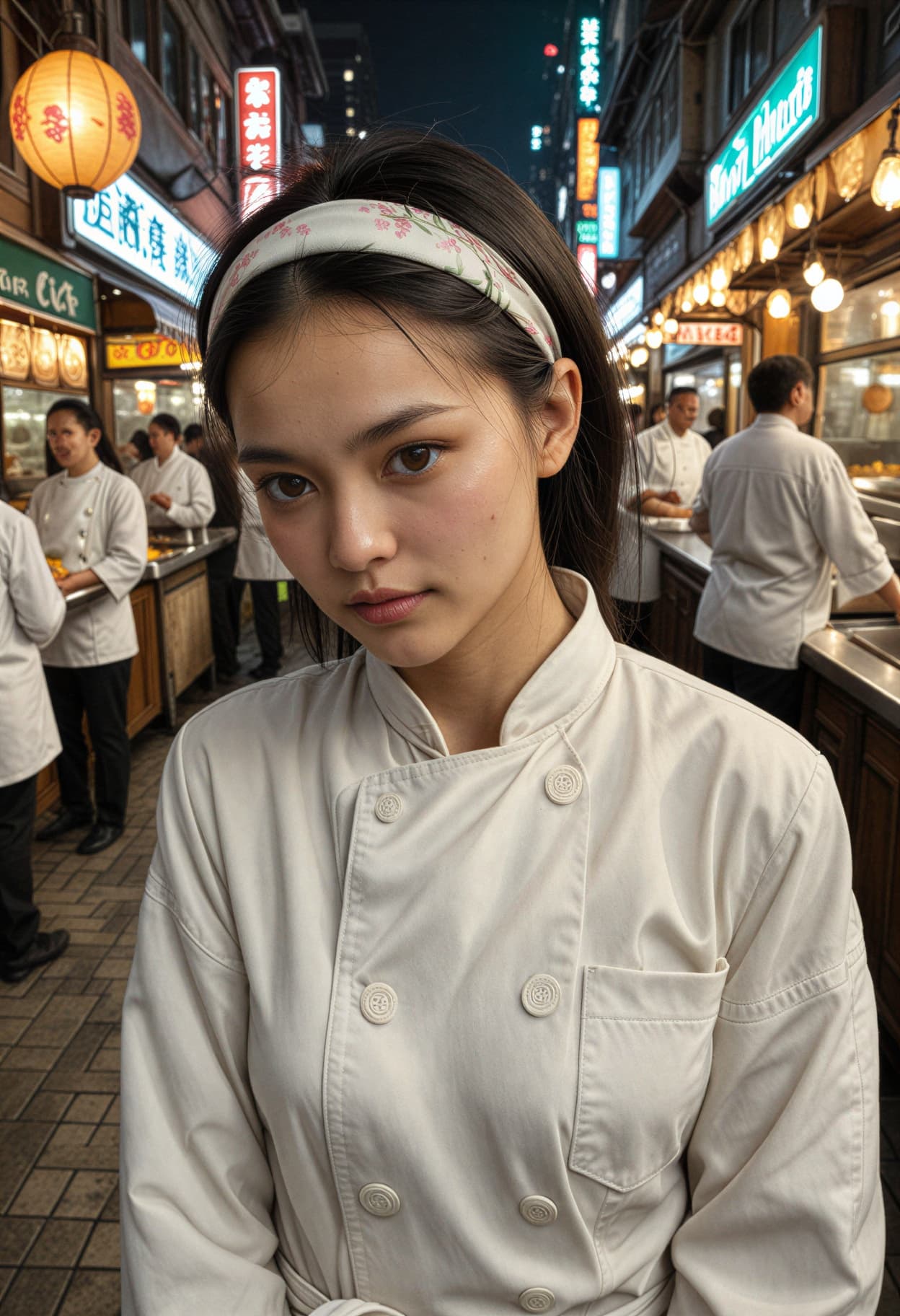
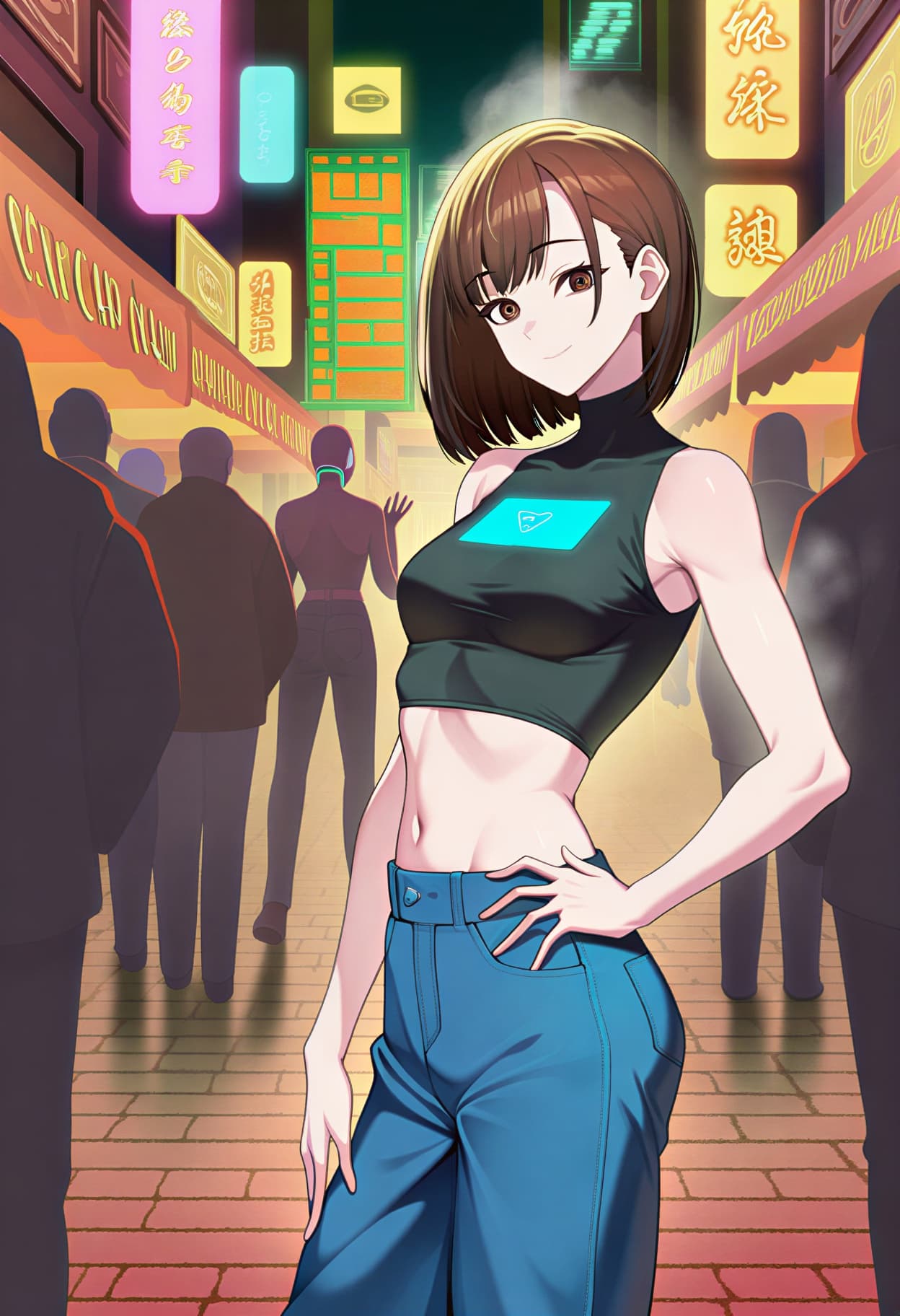
Sample Outputs
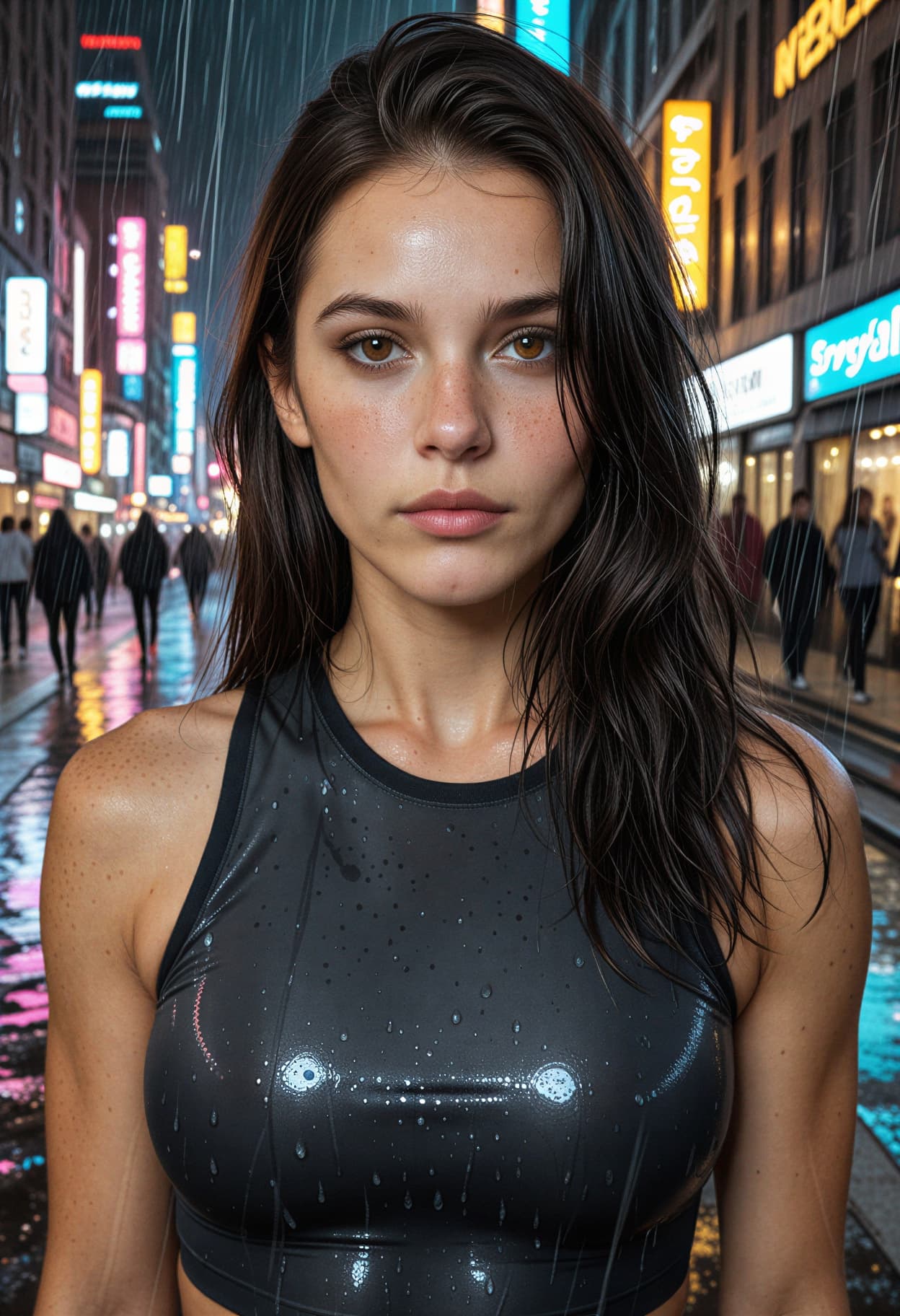
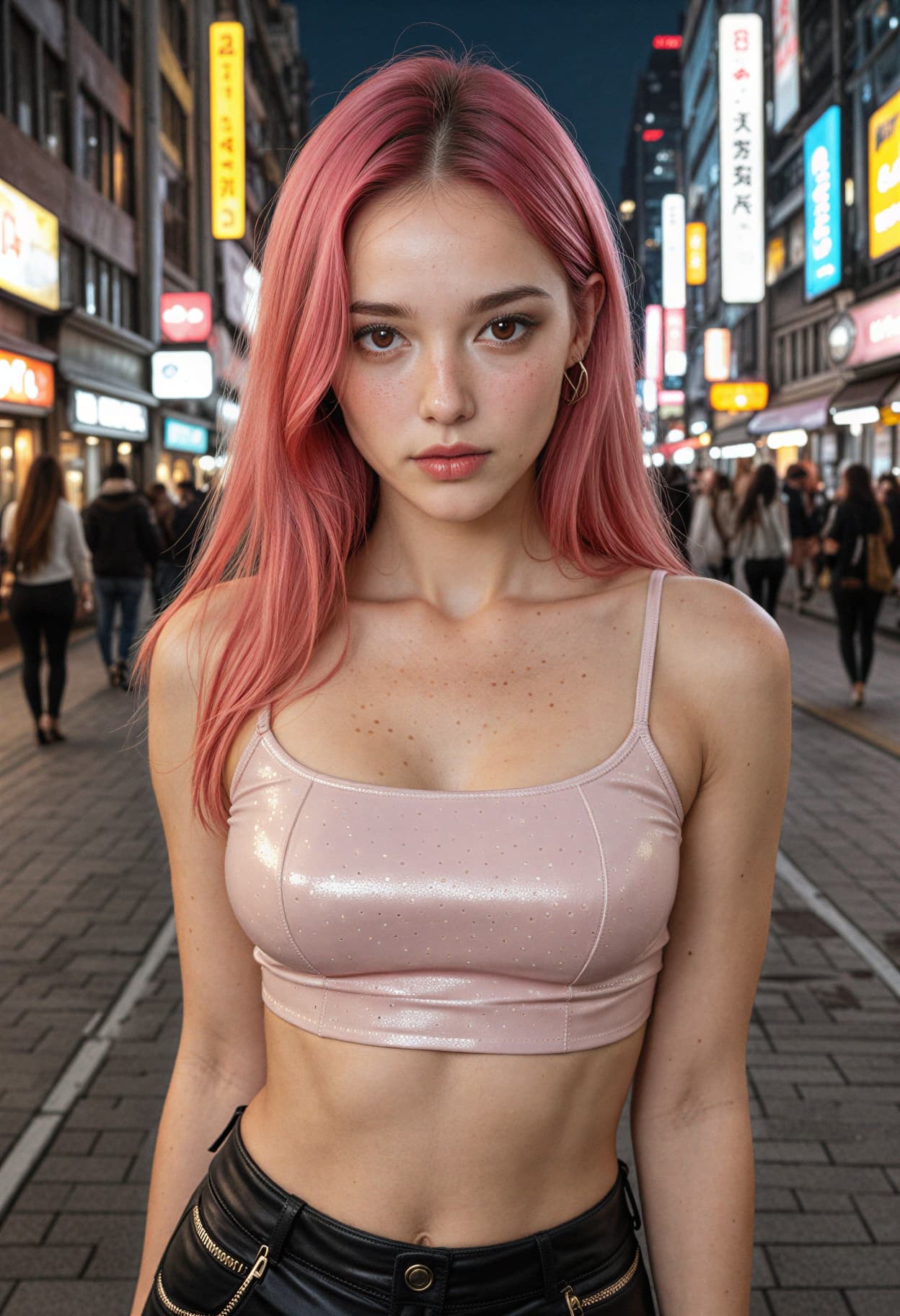
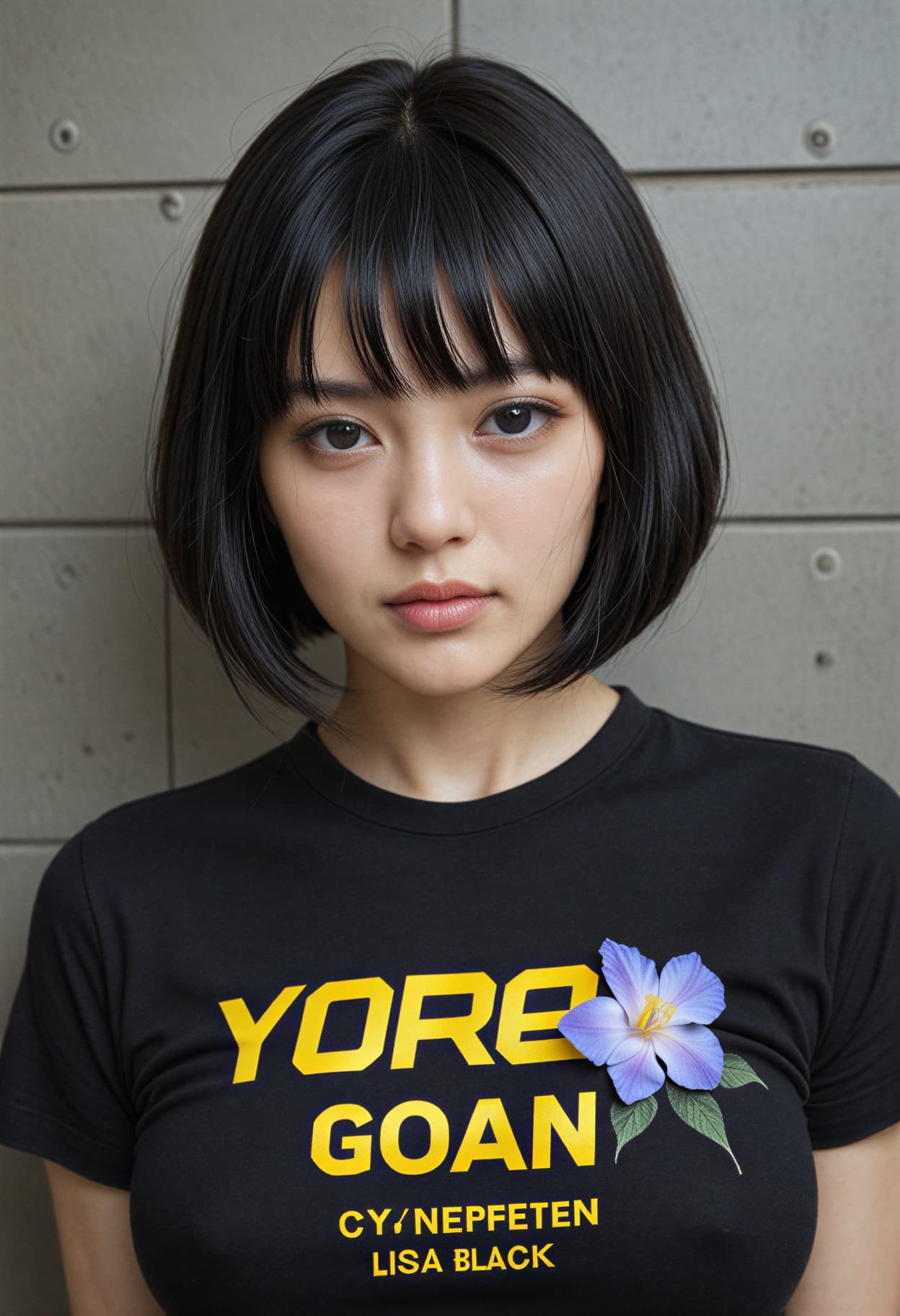
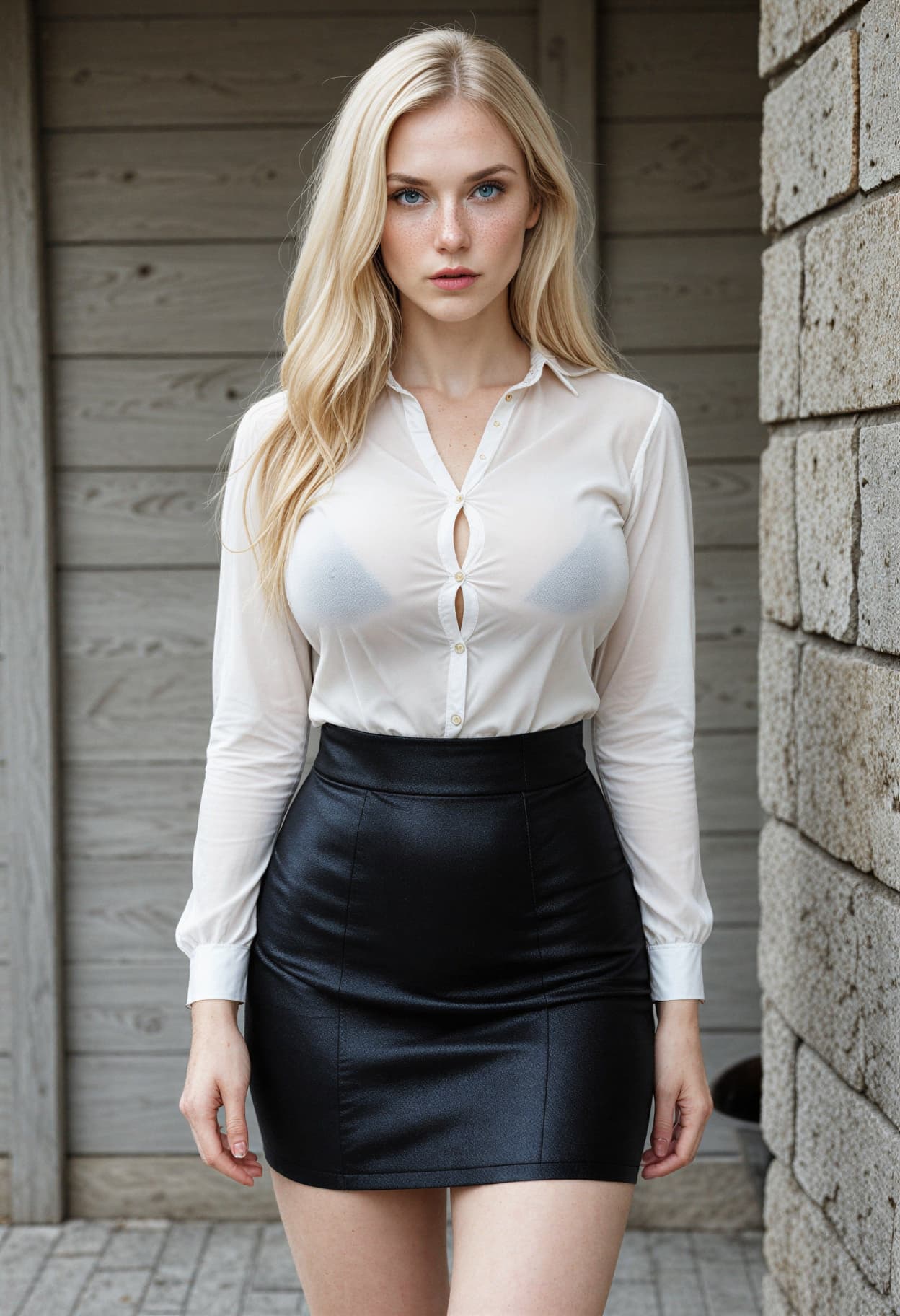
All images generated on Kalon Studio using prompts from this page. No post-processing, compositing, or external retouching applied.
What You Can Create?
Cyberpunk spans characters, cities, vehicles, interiors, and full narrative scenes. These prompts cover the most common use cases, each with recommended aspect ratios and framing considerations.
Desktop and Phone Wallpapers
Cyberpunk cityscapes and neon-lit environments translated to screen-ready compositions. Use 16:9 for desktop, 9:16 for phone, and 21:9 for ultrawide monitors. The base prompt and city variations are designed for this format, wide environmental shots with strong color contrast.
Concept Art and Worldbuilding
Environment and character design for games, films, comics, and tabletop campaigns. Use 16:9 for establishing shots, 2:3 for full-body character sheets, and 3:4 for scene compositions. Generate multiple angles of the same environment to build a consistent visual reference library.
Social Media and Profile Art
Cyberpunk portraits and stylized character art for profile pictures, headers, and feed content. Use 1:1 for profile images, 4:5 for Instagram feed posts, and 16:9 for Twitter/X headers. The character variations below work best for this use case.
Storytelling and Editorial Illustration
Scene illustrations for sci-fi fiction, visual novels, blog headers, and editorial content. Use 3:2 for horizontal editorial layouts and 2:3 for vertical book cover compositions. Combine character and environment tags from different variations to build narrative-specific scenes.
Prompt Variation
Five distinct cyberpunk aesthetics, three environments, and two characters, each with a complete prompt built for its visual requirements. Copy any directly, or pull individual tags into your own compositions.
Neon Noir Cityscape
The classic cyberpunk establishing shot. Dense urban verticality, rain, and layered neon.
best quality, masterpiece, cyberpunk city at night, towering megastructures, neon signs in Japanese kanji, rain-soaked streets with neon reflections, dense fog, flying vehicles between buildings, teal and orange color grading, cinematic wide shot, volumetric lighting, atmospheric perspective, 16mm anamorphic lens, film grain, 8k
Street-Level Portrait
A character grounded in their environment, lit by surrounding neon.
best quality, masterpiece, cyberpunk street portrait, 1person, techwear jacket with LED trim, standing in rain-soaked alley, neon signs casting colored light on face, wet hair, confident expression, shallow depth of field, neon rim lighting from behind, magenta and cyan tones, 85mm lens, sharp focus, high resolution, 8k
Cybernetic Augmentation Close-Up
Character focuses on technological implants and synthetic detail.
best quality, masterpiece, cyberpunk character portrait, close-up, cybernetic eye with glowing iris, visible circuitry under translucent skin, metallic jaw implant, neural interface port on temple, cold blue LED accents, dark industrial background, dramatic side lighting, hyper-detailed skin texture, macro lens, sharp focus, 8k
Rooftop Overlook
Elevated perspective showing the city below, atmospheric scale and isolation.
best quality, masterpiece, cyberpunk rooftop scene, 1person sitting on building edge, overlooking vast neon cityscape below, legs dangling, wind in hair, holographic advertisements in distance, smog layer between buildings, city lights stretching to horizon, melancholy atmosphere, warm amber and cool blue contrast, wide-angle lens, cinematic depth, 8k
Rain-Soaked Market
Street-level environment filled with human activity and technological clutter.
best quality, masterpiece, cyberpunk night market, crowded street scene, vendor stalls with holographic menus, steam rising from food carts, neon-lit overhead canopy, figures in techwear and augmented helmets, puddles reflecting signage, dense atmospheric haze, warm neon glow, 35mm street photography style, rich detail, 8k
More Cyberpunk Styles
Six additional templates covering specific sub-genres and visual directions within cyberpunk aesthetics.
best quality, masterpiece, cyberpunk anime style, 1girl, neon pink hair, futuristic bodysuit, standing on rain-soaked Tokyo overpass, holographic city skyline behind, cherry blossom petals mixed with digital particles, cel-shaded rendering, vibrant saturated colors, clean linework, anime illustration quality, 8kbest quality, masterpiece, cyberpunk noir portrait, 1man, detective in futuristic trench coat, fedora hat, cigarette smoke curling in neon light, rain falling, dark alley background, single neon sign casting red light, high contrast shadows, film noir composition, moody and atmospheric, film grain texture, 8kbest quality, masterpiece, retro-futuristic cyberpunk, 1980s aesthetic meets advanced technology, analog LED displays, VHS scan lines, chrome and glass architecture, sunset gradient sky in pink and purple, retro sports car with neon underglow, palm trees silhouetted against city lights, synthwave color palette, nostalgic atmosphere, 8kbest quality, masterpiece, cyberpunk corporate tower interior, massive glass atrium, holographic data displays floating in air, executive in sleek minimalist suit, sterile white and chrome environment, surveillance cameras visible, cold clinical lighting, oppressive scale, contrast between luxury and control, architectural photography style, 8kbest quality, masterpiece, cyberpunk hacker hideout, cluttered room with multiple screens and exposed wiring, 1person hunched over keyboard, face lit by monitor glow, digital graffiti on walls, energy drink cans and circuit boards scattered, dim blue-purple ambient light, cramped and chaotic atmosphere, intimate composition, 8kbest quality, masterpiece, post-apocalyptic cyberpunk, abandoned megastructure overgrown with vegetation, cracked neon signs still flickering, rusted metal and broken glass, figure scavenging in foreground, overcast sky with beams of light breaking through, muted color palette with sparse neon accents, environmental storytelling, wide shot, 8kRecommendation: Negative Prompt for Cyberpunk AI Art
Cyberpunk generation introduces a specific set of rendering failures that don't appear in other genres. Multiple neon light sources create color bleed across surfaces. Reflective wet streets can produce mirror-image distortions. Dense architectural compositions collapse into incoherent geometry at higher levels of complexity. This negative prompt targets those failure modes directly.
Negative Prompt:
low quality, blurry, flat lighting, oversaturated neon, neon color bleed, washed out colors, distorted reflections, broken architecture, impossible geometry, floating buildings, melted structures, bad perspective, incorrect vanishing point, extra limbs, bad hands, deformed face, cartoon, chibi, watermark, text, signature, simple background, empty scene, daylight, bright sunny
Explanation: The first block addresses the most common quality failures. "Flat lighting" and "washed out colors" prevent the model from falling back to even, undramatic illumination, the opposite of what cyberpunk requires. "Oversaturated neon" and "neon color bleed" target the specific issue where individual neon light sources lose their boundaries and merge into a homogeneous glow, destroying the multi-source lighting that makes cyberpunk visuals work. The architecture block, "broken architecture, impossible geometry, floating buildings, melted structures," addresses structural coherence, which fails more often in dense cyberpunk cityscapes than in any other genre because the model is rendering hundreds of geometric elements simultaneously. "Bad perspective" and "incorrect vanishing point" protect the composition's spatial logic, which wide-angle cyberpunk scenes are especially vulnerable to losing. "Daylight" and "bright sunny" are included because some models will default to daytime rendering even with "night" in the prompt, these tags reinforce the nocturnal setting that cyberpunk demands.
How to Generate Cyberpunk Art on Kalon Studio
- Open Kalon Studio and navigate to the Generate tab.
- Copy any prompt from this page using the copy button next to it.
- Paste the prompt into the prompt field. Modify it to match your concept, swap "cityscape" for "character portrait," change "teal and magenta" to "purple and electric blue," and replace "rain-soaked streets" with "foggy rooftop." The tag structure is modular by design.
- Paste the negative prompt from the section above into the negative prompt field. For cyberpunk specifically, the negative prompt prevents neon color bleed and architectural collapse, the two most common failure modes in this genre.
- Select your aspect ratio. Use 16:9 for wide cityscapes and establishing shots. Use 9:16 for vertical phone wallpapers and social content. Use 3:4 or 2:3 for character portraits. Use 21:9 for ultrawide desktop wallpapers and cinematic panoramas. Use 1:1 for profile images.
- Click Generate. Review 4-6 outputs per prompt, neon lighting distribution, and reflection accuracy vary across generations. Selecting the strongest output from a batch produces significantly better results than relying on a single generation.
Do/ Don’t: Building Stronger Scenes
✅ DO:
❌ DON'T:
Kalon Vs Other Cyberpunk AI Art
Get the best and honest comparison among Kalon and other Cyberpunk AI Art platforms.
| Feature | Kalon Studio | OpenArt | AIFreeForever | Media.io | Bylo.ai |
|---|---|---|---|---|---|
| Pre-written cyberpunk prompts | 11 tested templates | 25 MJ-only blog prompts | None, generator only | Style presets, no written | None, generator only |
| Copy-paste prompt library | One-click copy buttons | Blog copy (MJ syntax) | Not available | Not available | Not available |
| Prompt anatomy education | Layer-by-layer breakdown | General tips | None | None | None |
| Cyberpunk-specific negative prompt | Neon bleed + architecture tags | Mentioned generically | Not available | Not available | Not available |
| Verified sample outputs | Kalon-generated images | OpenArt community gallery | Generic previews | Stock-style previews | Generic previews |
| Platform compatibility | Standard tags — works anywhere | Midjourney --ar --v only | Platform-native only | Platform-native only | Platform-native only |
| Scene + character separation | Distinct prompt structures | Mixed without distinction | Not applicable | Photo filter only | Text or photo input |
| Aspect ratio guidance | Per use case | General mention | Auto only | Fixed sizes | Fixed sizes |
| Free access | Daily coins included | Free with limits | Limited free | 3 free credits | Free with limits |
Frequently Asked Questions
Build Your Neon World
Tested prompts, layered lighting control, and a built-in generator. No Midjourney subscription, no local GPU setup, no platform lock-in.
Generate Cyberpunk Art Free