AI Character Sheet Prompts | Views, Expressions, and the Consistency Problem
A character sheet is the hardest thing to generate well in AI art, because it requires something AI fundamentally resists: consistency across multiple views of the same character within a single image. A front view, a side view, and a three-quarter view must show the same face, body proportions, hair, and clothing. An expression chart must show six different emotions on the same recognizable face. A pose sheet must show the same figure in different positions without changing its build, outfit, or features. Standard AI prompts produce a single image. Character sheet prompts must produce a structured visual document containing multiple coordinated elements that all reference the same design.
These prompts are built around the two challenges that character sheets present: compositional layout (how multiple views are arranged on a single sheet with proper spacing and organization) and visual consistency (how the same character description is maintained across every panel without drift). Every prompt has been tested in Kalon Studio with outputs evaluated for feature consistency across views, layout clarity, and professional reference-sheet readability.
Below you'll find the full template library, an anatomy section addressing both layout and consistency, and a negative prompt tuned for the multi-view rendering failures that character sheets are uniquely vulnerable to.
Prompt Text
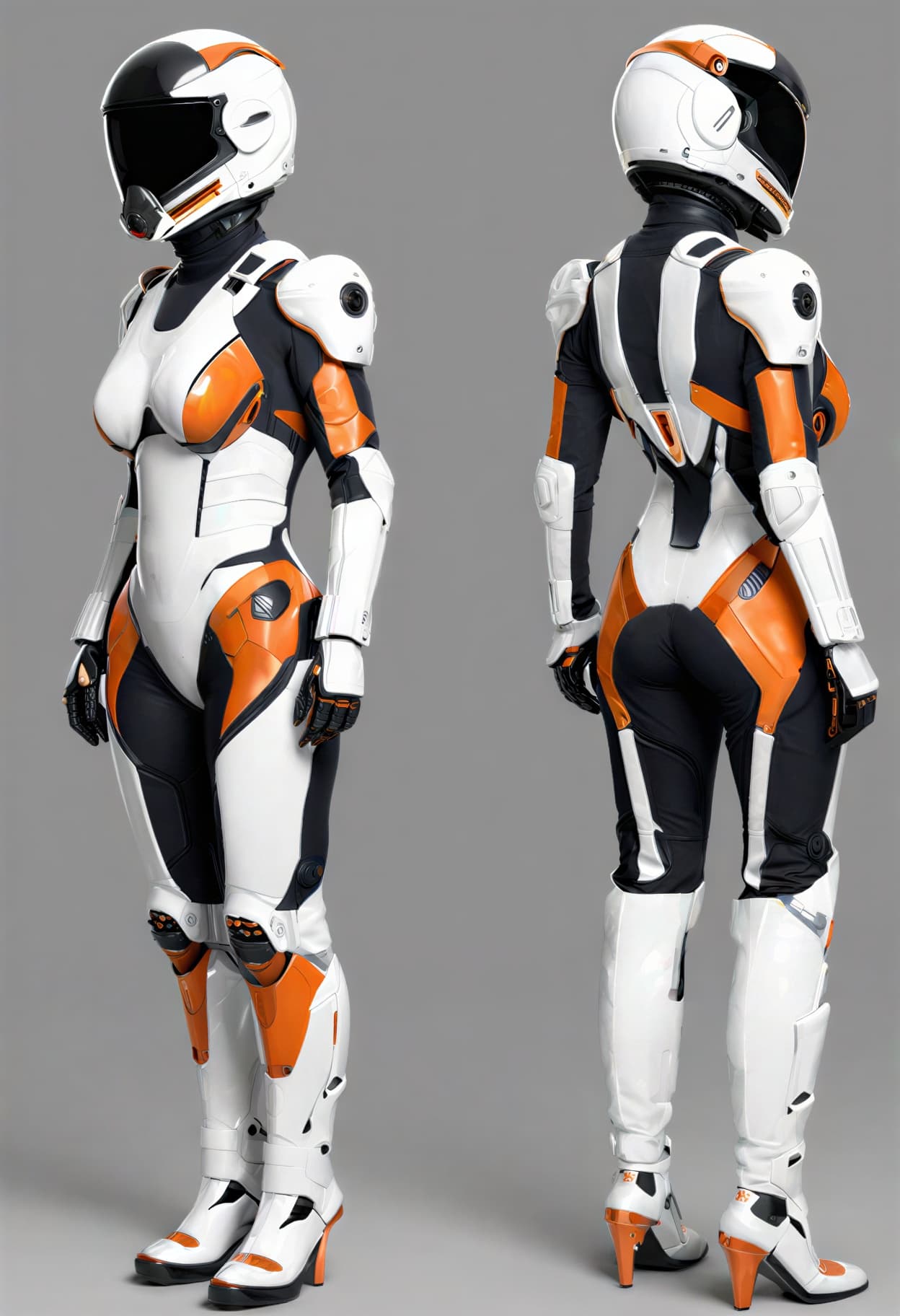
This prompt generates a character design turnaround sheet showing the same character from three angles on a clean white background. Replace the character description with your specific design and adjust the view count or arrangement as needed.
best quality, masterpiece, character design reference sheet, white background, same character shown in three views arranged left to right, front view, three-quarter view, and side profile view, 1girl with shoulder-length dark blue hair and blunt bangs, amber eyes, wearing brown leather jacket over white shirt and dark jeans with ankle boots, consistent facial features and proportions across all three views, consistent outfit detail and color across all views, full body standing pose in each view, clean spacing between each view, flat even lighting with no dramatic shadows, character design turnaround layout, professional concept art quality, 16:9 horizontal composition, high resolution
Problems Character Sheets Must Solve
Every other prompt type on this site addresses one image. Character sheet prompts must address a structured document containing multiple images that all describe the same character. This creates two problems that don't exist anywhere else in AI generation: layout control and cross-view consistency.
Sample Outputs
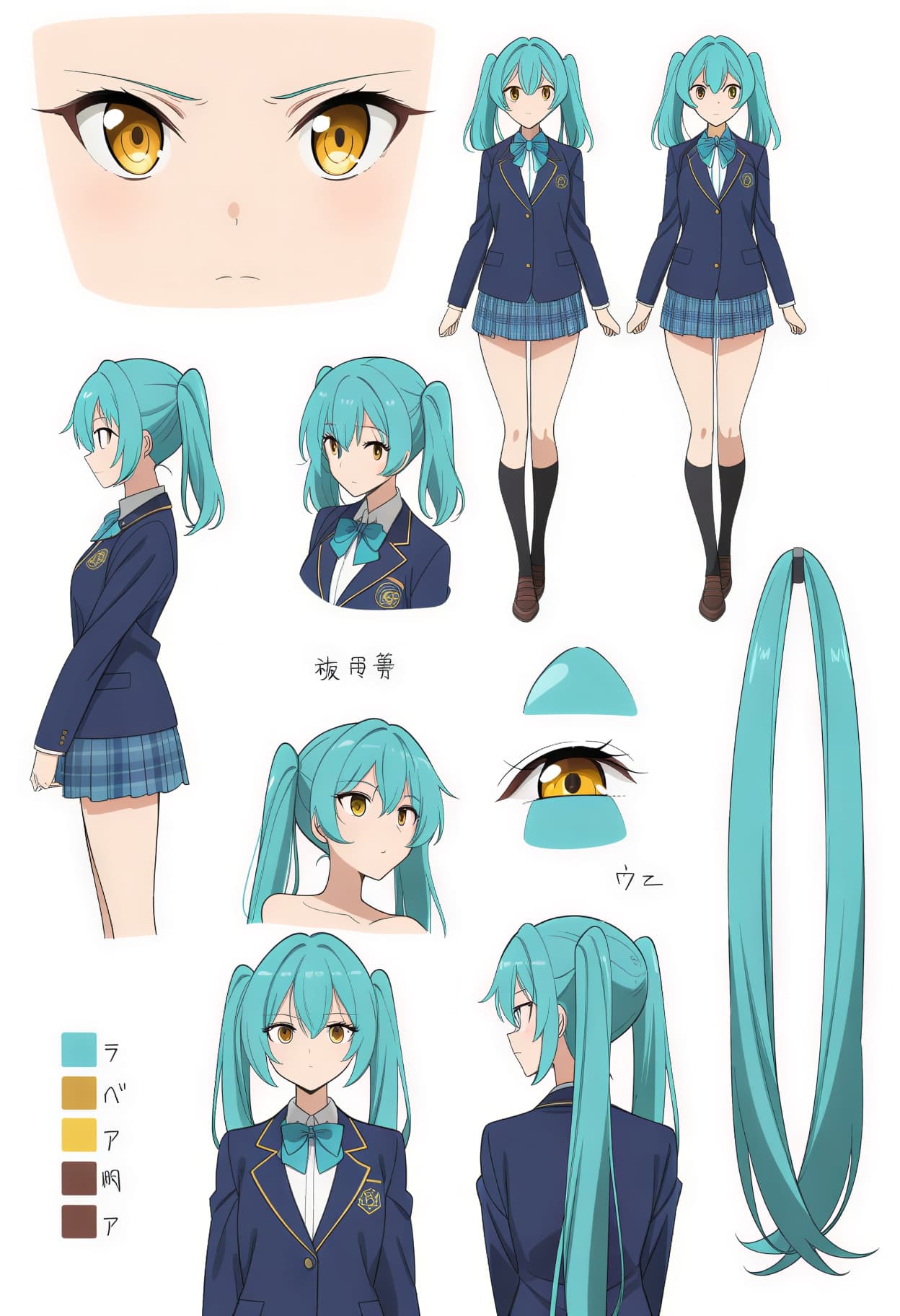
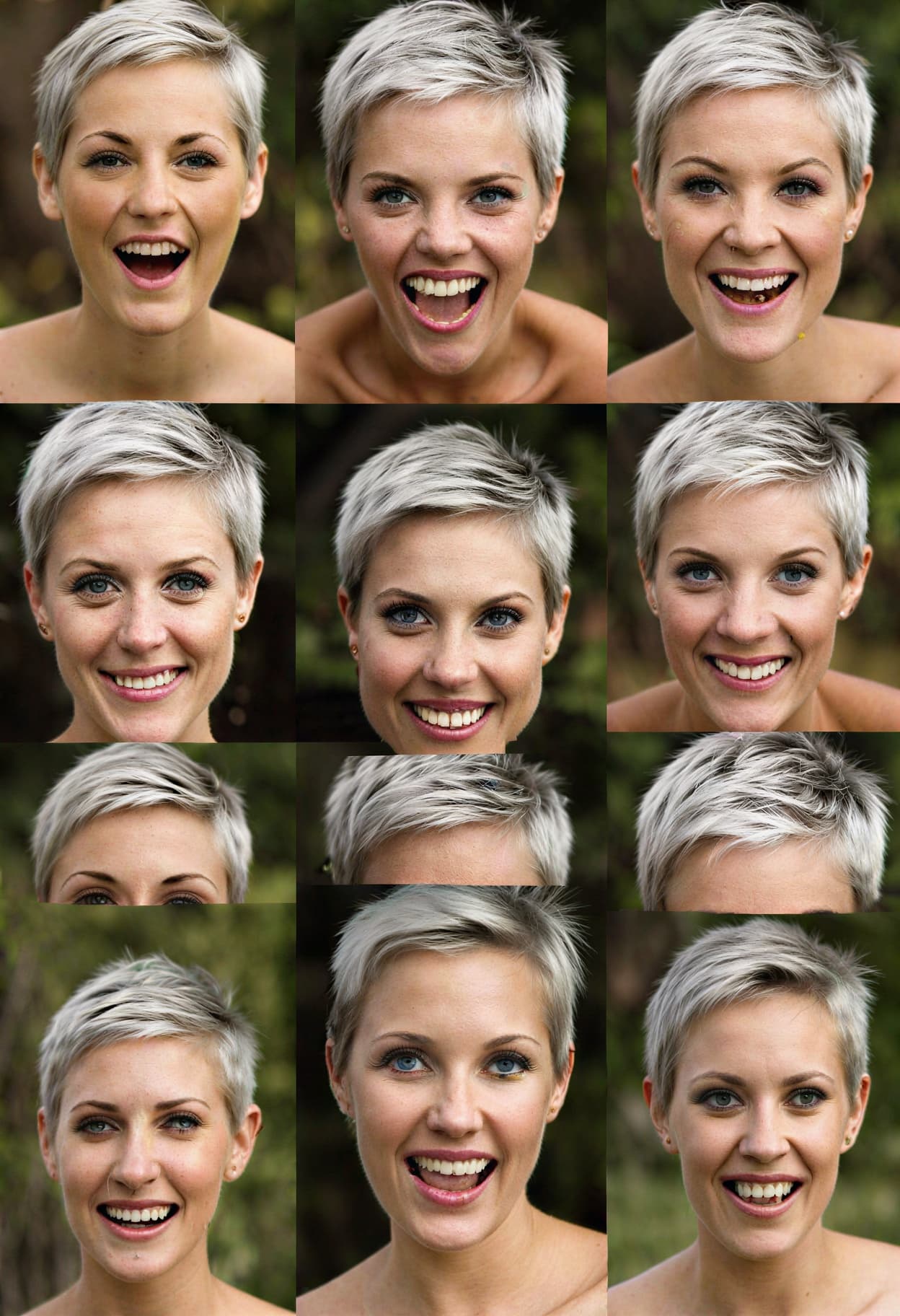
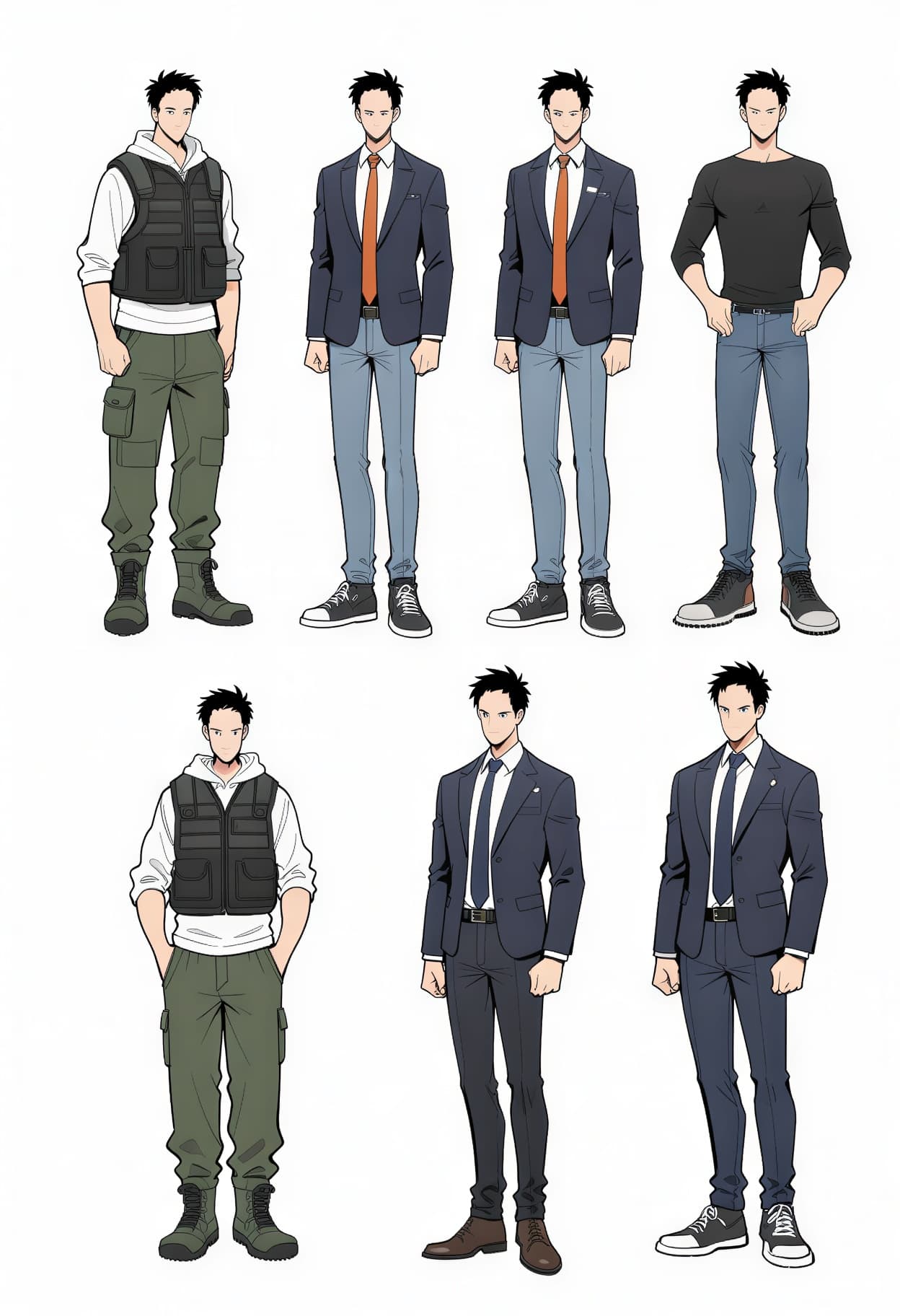
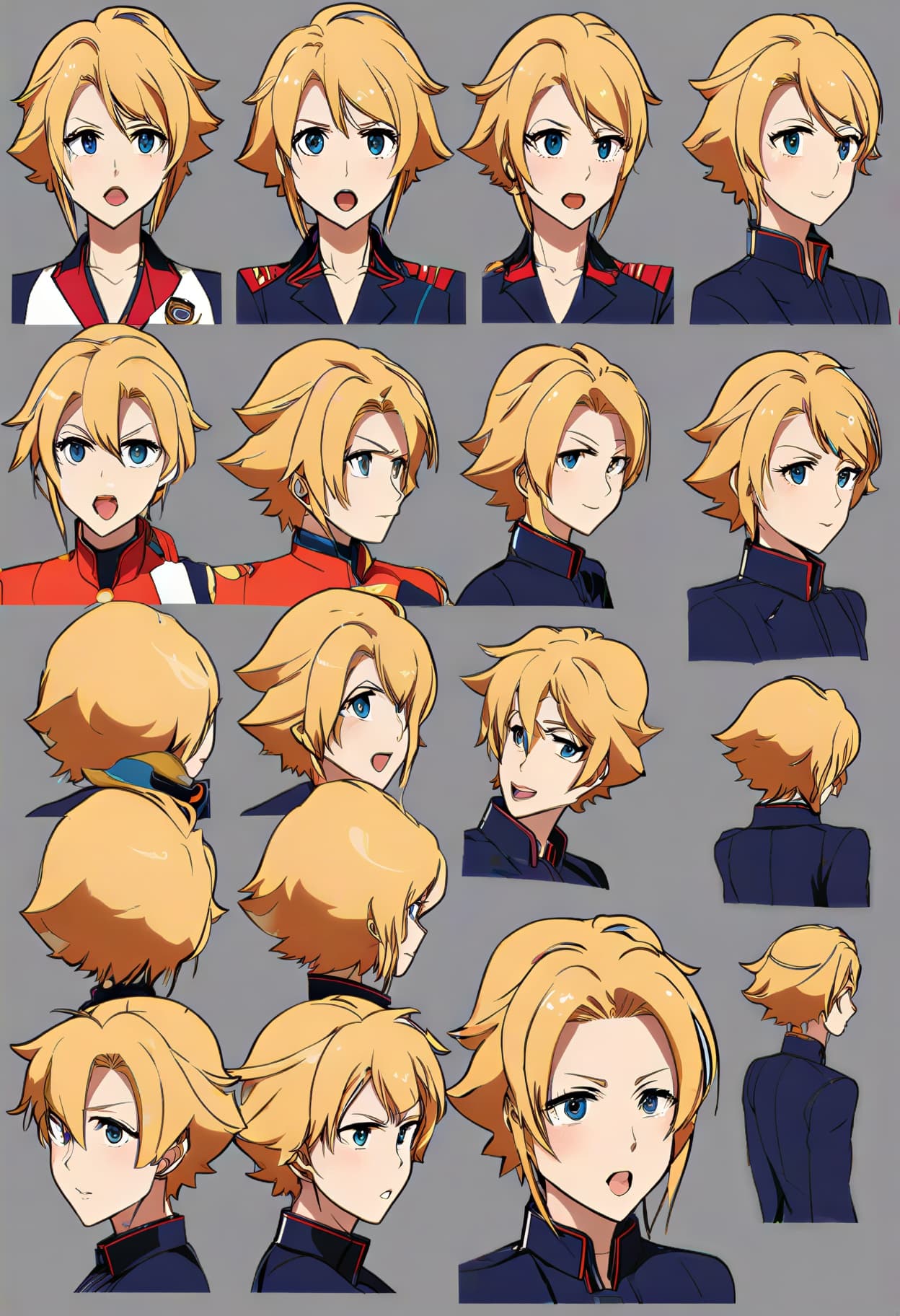
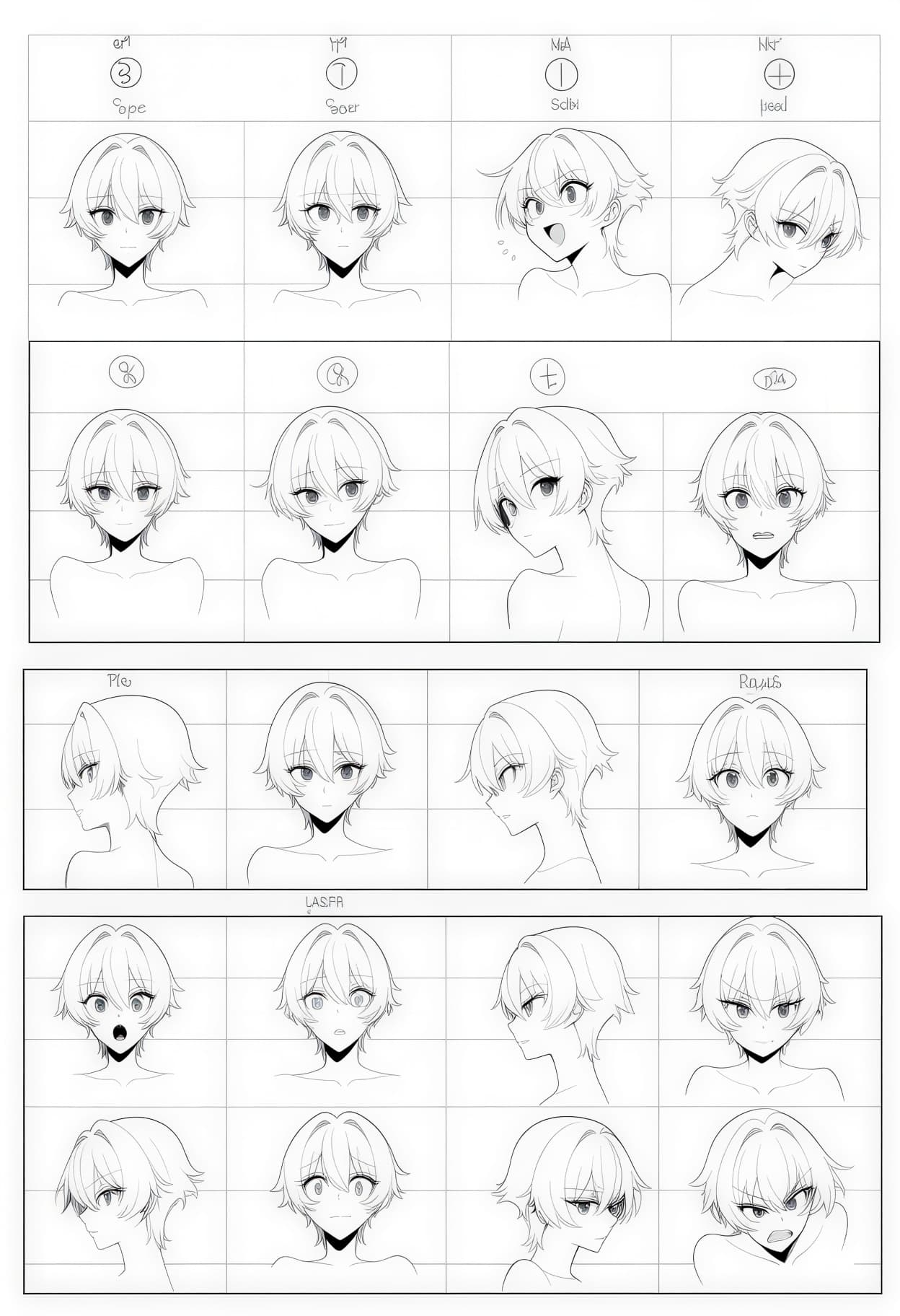
All images generated on Kalon Studio using prompts from this page. No external compositing, alignment correction, or multi-generation assembly applied.
What You Can Create
Character sheets serve different functions in different creative pipelines. Each function requires a different sheet type with specific view arrangements and detail priorities.
Game and Animation Development
Character references for 3D modelers, animators, and sprite artists who need precise multi-angle views, proportion guides, and color specifications. Use 16:9 for horizontal turnaround layouts and 3:4 for vertical full-body reference. The design turnaround and expression chart variations are built for production pipelines.
Tabletop RPG and Fiction Characters
Visual references for DnD characters, novel protagonists, or worldbuilding projects. Use 16:9 for comprehensive sheets and 3:4 for portrait-focused references. The fantasy RPG and OC showcase variations handle this use case. Include equipment, signature poses, and personality-expressing details.
VTuber and Content Creator Identity
Brand-consistent character references for VTuber rigging, channel art, and merchandise. Use 16:9 for full reference sheets and 1:1 for individual expression sprites. The VTuber variation includes the expression range and outfit variants that rigging artists need.
Commission and Collaboration References
Detailed visual briefs for commissioning artists, collaborating with illustrators, or briefing a design team. Use 16:9 for comprehensive reference and 3:4 for focused character portraits. The more detail the sheet contains — views, expressions, colors, outfit details — the more accurately a collaborator can interpret the design.
Prompt Variations
Five character sheet types, each structured for a different reference function. Copy any directly, or combine view and layout tags across variations for custom sheet formats.
Design Turnaround (3-View)
The standard reference format: front, side, and back.
best quality, masterpiece, character design turnaround sheet, white background, same character shown in three full-body standing views arranged horizontally — front view on left, side profile in center, back view on right, young male adventurer with messy auburn hair tied in short ponytail, green eyes, light scar across left cheek, wearing fitted dark green tunic with leather shoulder guard, brown belt with pouch, dark trousers tucked into laced boots, consistent character design across all three views with identical proportions clothing and hair, neutral relaxed standing pose in each view, clean even spacing between figures, flat studio lighting, annotation-ready layout, professional concept art reference quality, 16:9 horizontal, high resolution
Expression Chart (6 Emotions)
Same face showing a range of emotional states in grid format.
best quality, masterpiece, character expression sheet, white background, same character face shown in six head-and-shoulder portraits arranged in 2 rows of 3, female character with short silver pixie-cut hair and violet eyes, emotions displayed — top row: neutral calm, genuine happy smile, surprised with wide eyes and open mouth — bottom row: angry with furrowed brows and clenched jaw, sad with downcast eyes and slight frown, mischievous smirk with one raised eyebrow, consistent facial structure hair color and eye color across all six expressions, each expression clearly distinct and readable, clean grid layout with equal spacing, flat even lighting, character expression reference quality, 16:9 horizontal, high resolution
Outfit Variation Chart
Same character in multiple clothing options.
best quality, masterpiece, outfit variation sheet, white background, same character shown three times in full-body standing pose, each wearing a different complete outfit LEFT: casual everyday clothing with hoodie jeans and sneakers, CENTER: formal business attire with blazer pressed shirt and dress shoes, RIGHT: adventuring gear with utility vest cargo pants and hiking boots, same character in every panel identical face body proportions and hairstyle across all three, only clothing and accessories change between views, clean horizontal arrangement with even spacing, flat lighting, wardrobe reference sheet quality, 16:9 horizontal, high resolution
Action Pose Sheet
Same character in four dynamic positions showing movement range.
best quality, masterpiece, action pose sheet, white background, same character shown in four dynamic poses arranged in a row, athletic female fighter with long red braid and dark bodysuit, POSE 1: fighting stance with fists raised, POSE 2: mid-kick with one leg extended, POSE 3: jumping with arms reaching upward, POSE 4: crouching low with one hand on ground, consistent character design across all four poses same face body type hair and outfit in every pose, dynamic movement visible while identity remains recognizable, clean spacing between poses with no overlap, flat lighting preserving figure detail, animation reference quality, 16:9 horizontal, high resolution
Anime Reference Sheet (Comprehensive)
Multi-element sheet with full body, face detail, and color callouts.
best quality, masterpiece, anime character reference sheet, white background, comprehensive layout MAIN: full-body front view of anime girl with long teal twintail hair and golden eyes wearing school uniform with plaid skirt and blazer, LEFT COLUMN: face close-up showing eye detail and hairstyle construction, RIGHT COLUMN: color swatch blocks for hair color skin tone eye color and uniform colors, BOTTOM ROW: two additional views showing back view and three-quarter view in same outfit, consistent anime character design throughout all elements, clean organized layout with labeled sections, flat even lighting, anime production reference quality, 3:4 vertical composition, high resolution
More AI Character Sheet Styles
Six additional templates covering specific character categories and reference functions.
best quality, masterpiece, fantasy RPG character sheet, white background, central full-body portrait of dwarf warrior with braided red beard and heavy plate armor holding battle axe, LEFT SIDE: head close-up showing facial detail and helm removed, weapon detail view showing axe construction, shield design view, RIGHT SIDE: back view showing cape and armor rear detail, equipment inventory belt pouch contents, amulet, boot knife each shown separately with clean borders, DnD character reference aesthetic, organized labeled layout, flat lighting, 3:4 vertical, high resolutionbest quality, masterpiece, VTuber character reference sheet, white background, comprehensive rigging reference MAIN: full-body front view of cheerful anime streamer character with asymmetric pink-and-black hair, large expressive eyes, cat-ear headband accessory, casual gaming outfit, EXPRESSION ROW: 8 head portraits showing happy surprised angry crying laughing smug blushing and sleeping expressions, DETAIL CALLOUTS: hair accessory close-up, eye design detail, hand pose examples for gestures, chibi version in corner, consistent design across all elements, VTuber asset reference quality, 3:4 vertical, high resolutionbest quality, masterpiece, original character showcase sheet, white background, clean modern layout HERO IMAGE: dramatic three-quarter pose of OC tall woman with heterochromatic eyes (blue left green right), long white hair with single black streak, wearing asymmetric coat with mechanical arm visible on right side, SUPPORTING: front standing view for proportion reference, face close-up highlighting eye heterochromia, mechanical arm detail view showing joint construction, small text area placeholder for character bio and stats, OC introduction sheet aesthetic, fan community presentation quality, 3:4 vertical, high resolutionbest quality, masterpiece, chibi character design sheet, white background, cute super-deformed character shown in 4 variations, chibi full body front view in default pose, chibi side view, chibi sitting pose, chibi running pose, same character in all four round face large sparkly eyes short brown hair in bob cut and yellow raincoat, consistent kawaii proportions (1:1.5 head to body) across all views, clean grid arrangement, additional row of 4 chibi face expressions, happy surprised pouty sleepy, sticker and emote reference quality, 16:9 horizontal, high resolutionbest quality, masterpiece, villain character design sheet, dark gray background, menacing character presented in multiple views, CENTER: dramatic full-body pose of tall thin figure in hooded black robe with glowing purple energy in raised hand, LEFT: face close-up in shadow with only glowing eyes visible, staff weapon detail with carved rune markings, RIGHT: back view showing robe silhouette and hidden blade at belt, hand close-up showing energy effect design, BOTTOM: color palette strip showing character's restricted dark purple black and silver scheme, antagonist design reference quality, 16:9 horizontal, high resolutionbest quality, masterpiece, creature design reference sheet, white background, fantasy companion animal shown in multiple views, front view of fox-like creature with two tails and crystalline ear tips glowing faintly, side profile view showing body length and tail proportion, back view showing tail arrangement and spine markings, close-up of face showing eye design and whisker detail, scale reference with human hand for size comparison, four small expression sketches showing curious alert playful and sleeping faces, consistent creature design across all views, creature concept art quality, 16:9 horizontal, high resolutionRecommendation: Negative Prompt for AI Character Sheets
Character sheets fail in ways that no single-image generation does. The multi-view, multi-element format creates unique vulnerabilities: views merging into one another, features drifting between panels, backgrounds intruding into reference layouts, and the model treating the sheet as a single continuous scene rather than a structured document with discrete panels. This negative prompt targets those document-specific failures.
Negative Prompt:
merged views, overlapping figures, figures touching each other, views blending into one image, different face between views, different hair between views, different body proportions between views, different outfit between views, scenic background, environmental background, dramatic lighting, shadows changing between views, perspective distortion, dutch angle, fish-eye lens, action scene composition, narrative scene, single character only, one view only, cropped figure, figure cut off at frame edge, text covering figure, watermark, low quality, blurry, extra limbs, deformed
Explanation: The consistency block "different face between views, different hair between views, different body proportions between views, different outfit between views" is the most critical for character sheets specifically. These tags directly target the primary failure mode: the model generating visually distinct characters in each panel despite being prompted for the same design. By naming each element that must remain consistent, the negative prompt reinforces the positive prompt's consistency instructions from the opposite direction. "Merged views, overlapping figures, figures touching each other, views blending into one image" target the layout failure in which the model treats multiple views as a single continuous scene rather than separate panels with space between them. "Scenic background, environmental background, dramatic lighting" prevent the model from adding context that belongs in illustrations but not reference sheets — character sheets need neutral backgrounds so the design is evaluated in isolation. "Single character only, one view only" prevent the model from collapsing the multi-view prompt into a single portrait, which happens when the sheet instruction isn't strong enough to override the model's preference for single-subject composition.
How to Generate Character Sheets on Kalon Studio
- Open Kalon Studio and navigate to the Generate tab.
- Copy any prompt from this page using the copy button beside it. Paste it into the prompt field. Customize for your character: replace the character description (hair, eyes, build, clothing) with your specific design. Keep the layout tags (view arrangement, spacing, background) and the consistency tags (consistent facial features, consistent proportions, consistent outfit) intact. These structural tags are what produce a character sheet rather than a character portrait.
- Paste the negative prompt into the negative prompt field. For character sheets specifically, the negative prompt prevents view merging, feature drift between panels, and scenic background contamination — the three failures unique to multi-view generation and not present in single-image prompts.
- Select your aspect ratio. Use 16:9 for horizontal turnaround sheets with side-by-side full-body views. This is the standard format for most character reference work. Use 3:4 for vertical comprehensive sheets that stack full-body views above detail callouts. Use 1:1 for square expression grids. Match the ratio to the sheet type you're generating.
- Click Generate. Review 4–6 outputs. Evaluate each for three criteria: are the views clearly separated with clean spacing between them (not merged or overlapping), do the facial features and body proportions look like the same character across all views (not drift between panels), and is the background neutral enough that the character design can be evaluated without environmental distraction? The output that passes all three is a functional character reference sheet.
Do/Don't Tips: Building Usable Character Sheets
✅ DO:
❌ DON'T:
Comparison: Kalon vs Other Character Sheet AI Platforms
How Kalon Studio compares with Anifusion, Dreamina, Komiko, and AICharaLab for AI character sheet generation.
| Feature | Kalon Studio | Anifusion | Dreamina | Komiko | AICharaLab |
|---|---|---|---|---|---|
| Pre-written character sheet prompts | 11 tested templates | Example prompts | Prompt guidance | None, generator only | None, generator only |
| Copy-paste prompt library | One-click copy buttons | Dashboard prompts | Step guide | Not available | Not available |
| Layout and consistency education | Dual-problem breakdown (layout + consistency) | Quality tag tips | Aspect ratio guidance | Not provided | Not provided |
| Character-sheet-specific negative prompt | Anti-merge + anti-drift + anti-background contamination | Not provided | Not provided | Not provided | Not provided |
| Verified sample outputs | Kalon-generated images | Platform previews | Platform previews | Platform previews | Platform previews |
| Platform compatibility | Standard tags work anywhere | Platform-native | Platform-native | Platform-native | Platform-native |
| Sheet type separation | Turnaround/Expression/Outfit/Pose/Anime/RPG/VTuber/OC/Villain/Chibi/Creature | Multi-angle + expression | Multi-view | Pose generation | Pose generation |
| Text-only generation | Full text prompt control | Text + style selector | Text + image upload | Image upload required | Image upload required |
| Free access | Daily coins included | Free with limits | Free with credits | Free with credits | Free tier |
Frequently Asked Questions
Same Character. Every Angle. One Sheet!!
Multi-view layouts, cross-panel consistency, and neutral reference backgrounds — not a portrait, but a technical document for your character's visual identity.
Generate Character Sheets Free